

The Method
Built to last beyond one engagement.
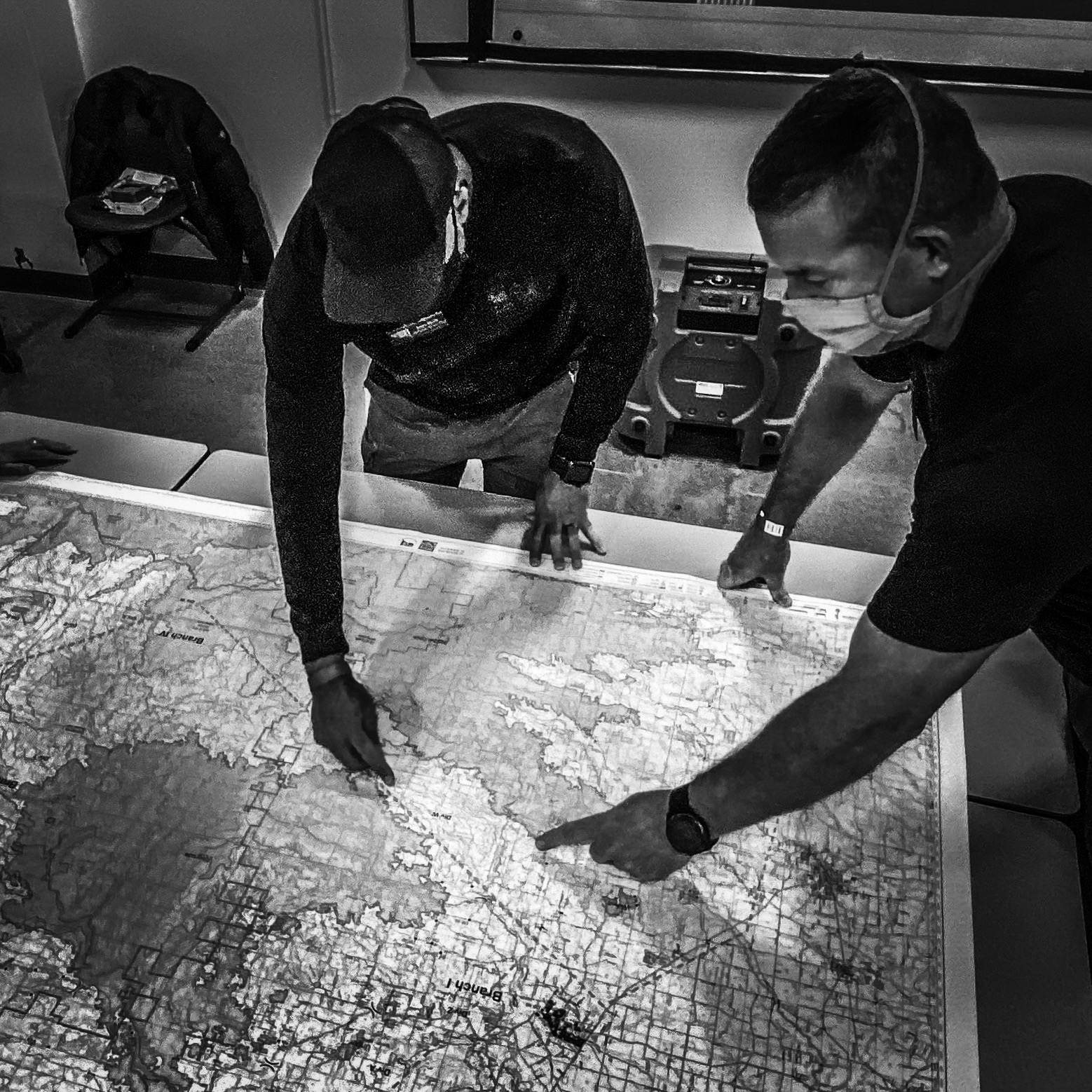
A repeatable discipline runs through every engagement and every page of the Field Guide. It isn’t proprietary jargon — it’s the sequence that holds after contact, named so your organization can recognize it, ask for it, and eventually run it without us.
Three moves, held in order.

01 Appreciate
Appreciate the context.
Understand the system before judging or prescribing. The question is what conditions made this situation likely — never who failed.
The order is the safeguard: a problem defined before the context is understood inherits its author’s blinders, and an approach built on it optimizes the wrong system with great efficiency. The work therefore starts with the system as it actually operates: the incentives, the constraints, the history, and the local rationality of every actor in it — what each person is answerable for, and why their behavior makes sense from where they stand. Most organizations skip this step because they believe they already know their own context. What they know is their position in it. The appreciation is finished when the situation makes sense from every seat at the table — including the seats that produced the behavior you called us about.
02 Define
Define the problem.

Separate the real problem from the presenting symptom. Surface the load-bearing assumptions and test them before a single solution is drawn.
The presenting problem is a candidate, not a conclusion. We put competing definitions on the table — including the ones that implicate the plan, the structure, or the leadership that asked — and test each against the evidence the appreciation produced. A definition earns its place by covering the facts, not by flattering the solution someone already prefers. This step changes budgets: when the problem is defined correctly, some expensive fixes become unnecessary, and some cheap ones become urgent. Getting it wrong is how organizations execute brilliantly against the wrong objective.

03 Develop
Develop the approach.
Build options that preserve later choices, and know in advance where the plan would fail. Produce instruments a named owner can sign.
The approach separates two things: what should happen regardless of how events break, and what amounts to a bet on one version of the future. It preserves your ability to decide later what doesn’t need deciding now. Before it’s recommended, it’s attacked: a structured red team challenges it, a genuine dissenting alternative is built against it, and what survives is stronger for the concessions. What you receive is not advice; it’s an instrument — decision criteria, triggers, and responsibilities specific enough that a named owner can sign them and be accountable for them.

Stated in Advance
Every engagement names its falsification criteria before the work begins.
We name the specific observations that would tell us the approach is wrong. Consultants who can’t be wrong can’t be trusted. We put those tests on the record and hold ourselves to them.

Transfer
What transfers while we work.
The toolkit isn’t a syllabus, and it isn’t for sale by the module. It rides inside the engagement: your team learns red teaming, premortem analysis, key assumptions checks, alternative futures analysis, structured stakeholder mapping, and decision-quality evaluation by using them on the real problem — which is the only way any of it sticks.
Practice makes permanent, not perfect. Repetition without a standard entrenches the flaw — so the standard travels with the tools.
Tenets
What We Believe.

Decision quality is independent of outcome.
Judge the process, not the luck.

What is not built before the event is improvised after it.
At a price someone else pays.

Local rationality applies to everyone.
People do what makes sense given what they know, see, and are measured on. Fix the conditions, not the blame.

Build instruments a named owner can sign.
Not exhortations no one is accountable for.
Decision quality is independent of outcome.
Judge the process, not the luck.
What is not built before the event is improvised after it.
At a price someone else pays.
Local rationality applies to everyone.
People do what makes sense given what they know, see, and are measured on. Fix the conditions, not the blame.
Build instruments a named owner can sign.
Not exhortations no one is accountable for.
